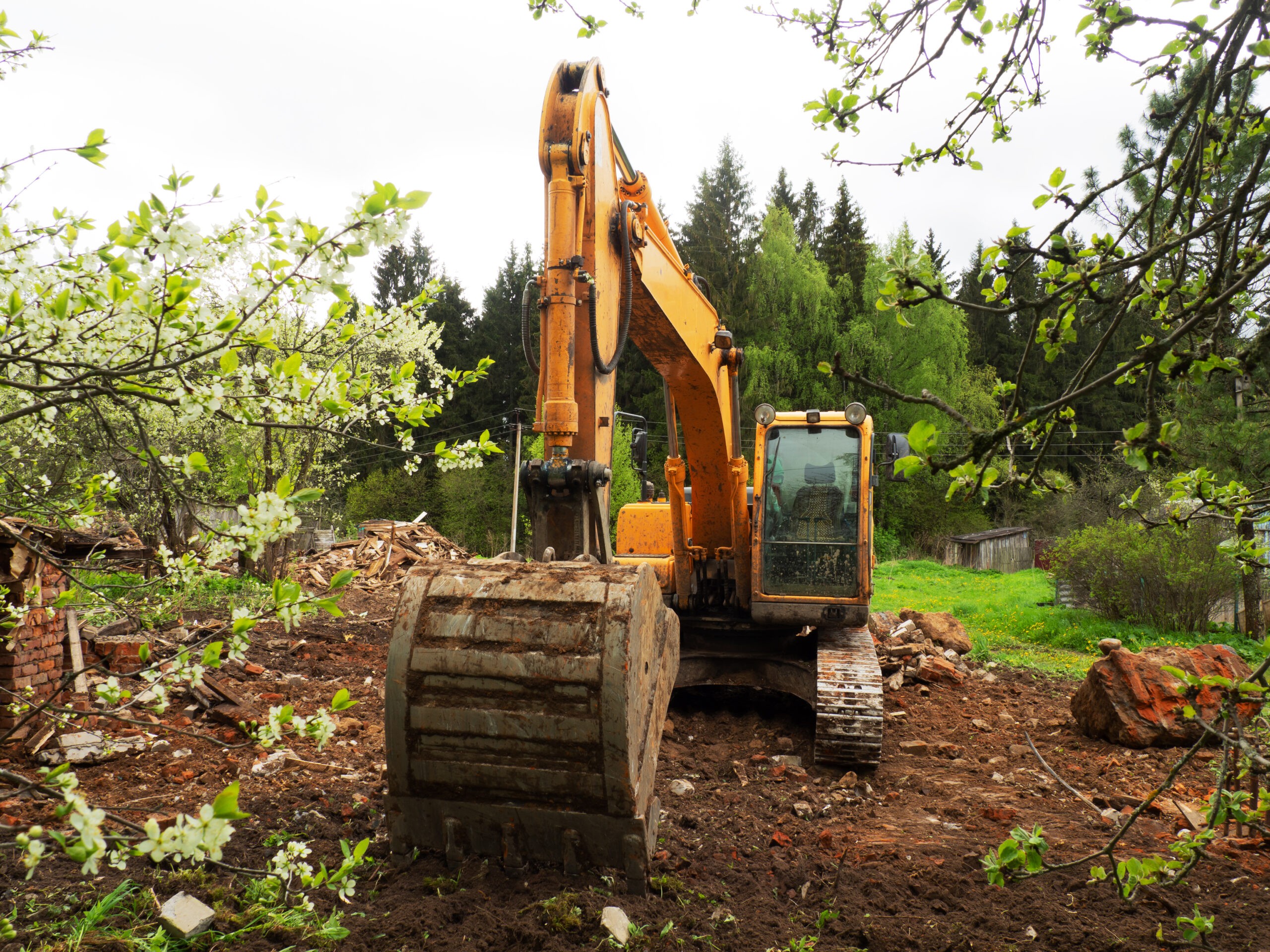
Land Clearing in Austin, TX for Agricultural Expansion
“This is exactly why I will be using Leaf Tree in the future for professional pruning and upkeep…Jeff is not only extremely knowledgeable, but passionate about tree health and wellness. I highly recommendation using Leaf Tree for all your tree needs!”
– Tim (Google Review)

Jeff Hempel
TX-4962A
ISA TRAQ
Over 90 5-Star Reviews On Google!
land-clearing
austin, land-clearing
What exactly is land clearing, and why do we need it?
Land clearing in Austin TX, is the process of removing vegetation, debris, and obstacles from a piece of land to prepare it for various purposes, such as agriculture, construction, or development. It’s necessary because it provides a clean canvas for new projects and maximizes the land’s potential. Land clearing isn’t just about cutting down trees or removing rocks. It involves comprehensive planning, safety measures, and environmental considerations to ensure a sustainable outcome.
Is land clearing environmentally friendly?
Yes, it can be! Sustainable land clearing practices are essential to protect the environment while meeting our agricultural and food production needs.
Selective Clearing: Instead of clearing entire areas, selective clearing focuses on removing only specific vegetation, preserving native species and biodiversity.
Mulching: Utilizing mulch created from cleared vegetation as a natural ground cover reduces soil erosion and supports plant growth.
Erosion Control: Implementing erosion control measures like silt fences and sediment basins prevents soil runoff into water bodies.
Reforestation: After clearing, replanting native trees and plants helps restore the ecosystem.
How is land clearing impacting Austin’s landscape?
Land clearing is playing a significant role in shaping Austin’s future, especially in terms of agriculture and food production. Here’s how:
Increased Agricultural Yield: Land clearing allows farmers to expand their cultivated areas, resulting in higher crop yields and more diverse produce.
Efficient Land Use: By clearing land effectively, we can make the most of available space, ensuring it’s put to good use for food production.
Local Food Security: As Austin grows, having more locally sourced food reduces dependence on distant suppliers and enhances food security.
What methods are employed for land clearing?
There are several methods for land clearing, each suitable for specific situations:
Mechanical Clearing: This method involves heavy machinery like bulldozers and excavators to remove large obstacles and vegetation efficiently.
Chemical Clearing: Some projects use herbicides to gradually eliminate unwanted vegetation, making it easier to clear the land.
Prescribed Burns: Controlled fires are used to clear land of dead vegetation while promoting soil health and preventing wildfires.
Manual Clearing: Hand tools such as chainsaws and brush cutters are employed for precision clearing, especially in sensitive areas.
What positive impacts does land clearing bring to the local community?
Land clearing has several positive impacts on the local community, and here are some key points to consider:
Job Opportunities: Land clearing projects create jobs, providing employment opportunities for local residents.
Economic Growth: Clearing land for agriculture and development can stimulate economic growth in the community.
Local Food Production: Increased agricultural land contributes to local food production, enhancing food security.
Supporting Local Businesses: Local land clearing businesses benefit from increased demand, which, in turn, supports the local economy.
Improved Accessibility: Land clearing for roads and infrastructure enhances transportation and accessibility for residents.
Environmental Considerations: Responsible land clearing practices protect the environment, preserving natural beauty and biodiversity for the community to enjoy.
Are there regulations in place to oversee land clearing activities?
Let’s dive deeper into the regulations overseeing land clearing activities:
Environmental Permits: Businesses must obtain permits for land clearing projects. These permits often come with guidelines for responsible and sustainable land clearing practices.
Inspections: Regulatory bodies regularly inspect land clearing sites to ensure that the work aligns with environmental and safety standards.
Compliance with Local Codes: Land clearing activities must adhere to local codes and regulations, which are designed to protect the environment and minimize disruption to ecosystems.
Resource Protection: Regulations may include specific measures to safeguard sensitive resources, such as water bodies and critical habitats.
How does land clearing support Austin’s urban development?
Let’s explore how land clearing supports Austin’s urban development:
Infrastructure Expansion: Land clearing creates space for building roads, utilities, and housing, facilitating urban expansion.
Accessibility Enhancement: By removing obstacles and vegetation, land clearing allows for better access to developable areas within the city.
Commercial Development: Cleared land can be utilized for commercial spaces, promoting economic growth and job opportunities.
Green Spaces: Thoughtful urban planning incorporates green spaces, enhancing the quality of life for residents.
Improved Zoning: Clearing land often aligns with updated zoning regulations, allowing for more efficient land use and development.
How does land clearing affect local wildlife habitats?
Let’s delve into how land clearing affects local wildlife habitats in a conversational manner:
Habitat Disruption: Land clearing can disrupt natural habitats, displacing wildlife.
Loss of Shelter: Removal of vegetation and trees eliminates shelters for various species.
Impact on Food Sources: Clearing land can reduce the availability of food sources for wildlife.
Migration Disruption: Wildlife migration patterns may be affected as their natural routes are altered.
Mitigation Measures: Responsible land clearing includes surveys to identify critical habitats, allowing for protection and conservation efforts.
Can land clearing help address the issue of food deserts?
Yes, it can play a part in combating food deserts:
Increased Availability: More agricultural land can lead to a greater supply of fresh produce in underserved areas.
Lower Prices: A higher supply of local produce can lead to more affordable options for residents.
Exploring the Ultimate Land Clearing Services in Austin, TX
As we wrap up our quest for the ultimate land clearing services in Austin, TX, it’s clear that Leaf Tree Services stands out as a noteworthy contender in this field. Their dedication to responsible and sustainable land clearing practices aligns seamlessly with Austin’s commitment to preserving its natural beauty while accommodating growth.
Leaf Tree Services showcases a genuine understanding of the delicate balance between development and conservation. They embrace eco-friendly methods and ensure minimal disruption to local ecosystems during land clearing projects.
What sets Leaf Tree Services apart is their commitment to community engagement. They actively involve local residents and environmental enthusiasts in their projects, fostering a sense of collective responsibility toward Austin’s ecological well-being. This approach not only ensures the preservation of critical habitats but also encourages sustainable growth within the community. Leaf Tree Services is your locally owned professional tree service for residential and commercial customers in Austin and surrounding areas. You can trust your trees to us. Contact us today to schedule a consultation, 512-670-6766.
What Our Clients Are Saying
“Jeff, a certified arborist with extra training and lots of experience in the area, fit me into his schedule and showed up promptly, on very short notice. We did a walk-through of the property, advising on what trimming was most beneficial and helping me understand things to look for as potential problems with tree health. We picked a few trees that merited attention and a proposal for trimming followed. When the crew came out, at the expected time, we confirmed the work to be done before they started. Trimming was well done, quickly, per my requests. Tree canopies look noticeably better, appreciate their attention to balancing their cuts.”
– Mark
“I had a tree health consult with Jeff and it was incredibly informative and comprehensive. He told us all about our main oak that we want to keep healthy and suggested what would help keep the tree healthy and safe. He was not at all pushy on selling future service, but answered every question we had and did not rush through anything. This is exactly why I will be using Leaf Tree in the future for professional pruning and upkeep. It is entirely evident that Jeff is not only extremely knowledgeable, but passionate about tree health and wellness. I highly recommendation using Leaf Tree for all your tree needs!”
– Tim
“Jeff with Leaf Tree Service responded very quickly to our need. We were under a time frame imposed on us by the city. Jeff's crew was able to fit us in and prevented us from being fined. They took the extra steps to ensure the trees would not sprout up & ground the stumps to ensure mowers could keep area maintained. The city inspector wrote an email praising the quality of the job. The care in which jeff's crew took while clearing this brush was amazing & the remaining trees in this area look fantastic. Highly recommend Leaf Tree Service. In fact I am using them each quarter to maintain the other trees on our property. Quality work at a fair price, which is hard to find these days.”
– Rick
Where We're Located
1510 Sam Bass Rd,
Round Rock, TX 78681
(512) 670-6766
info@leaftreeservicesatx.com