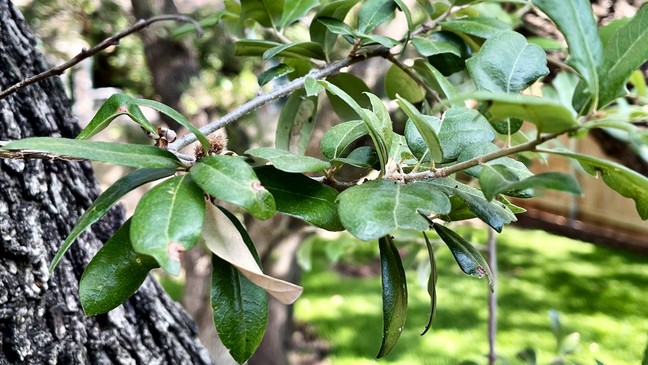
Top 5 Signs Your Tree May Be Dying (And What to Do About It)
“This is exactly why I will be using Leaf Tree in the future for professional pruning and upkeep…Jeff is not only extremely knowledgeable, but passionate about tree health and wellness. I highly recommendation using Leaf Tree for all your tree needs!”
– Tim (Google Review)
Jeff Hempel
TX-4962A
ISA TRAQ
Over 90 5-Star Reviews On Google!
Spotting the early signs of a dying tree can help you prevent accidents, protect your property, and preserve your beautiful landscape. Below, we’ll cover the top 5 warning signs your tree may be dying and what to do if you spot them.
Your trees are an important part of your landscape. They provide shade, enhance your property’s curb appeal, and create a welcoming environment. However, like any living thing, trees can suffer from stress, disease, and aging—and if left unchecked, they may die and become hazardous.
1. Dead or Dying Branches
One of the most obvious signs of a struggling tree is the presence of dead or dying branches. These branches may appear brittle, have no leaves, or show visible cracks. You might also notice that some limbs are breaking off more easily than they should.
Why This Happens:
Dead branches can be caused by several issues, including:
Tree disease (like fungal infections)
Pest infestations
Root damage
Drought stress
Why It’s Dangerous:
Dead branches don’t just look bad—they can also be dangerous. They can fall without warning, especially during storms, putting people, cars, and buildings at risk.
What to Do:
Regular tree trimming is essential to remove dead branches safely and prevent further damage. If your tree has multiple dead limbs, it may need a more in-depth evaluation by a certified arborist.
2. Bark Is Cracking, Peeling, or Missing
Healthy tree bark should be intact, firm, and free of cracks. If you notice that large chunks of bark are peeling off or that there are deep cracks in the trunk, it could be a sign your tree is dying. In some cases, missing bark exposes the wood beneath, which is a major red flag.
Why This Happens:
Fungal infections and rot
Age-related decline
Extreme weather conditions, like frost damage or drought
Pest infestations
Mulch is suffocating your tree
Why It’s Dangerous:
Cracking bark can make a tree structurally unstable, increasing the risk of it toppling over. Missing bark also reduces the tree’s ability to transport nutrients, which accelerates its decline.
What to Do:
If you see peeling or cracking bark, call a professional to inspect your tree. Depending on the cause, trimming damaged areas or providing deep root fertilization may help the tree recover. If you have mulch around your tree, make sure it is not piled up on the base of the tree as this does cause suffocation of the tree.
3. Fungal Growth on the Trunk or Roots
Mushrooms or other fungal growth on your tree’s trunk, roots, or nearby soil are often a sign of internal decay. Fungi feed on decomposing wood, which means that if you see mushrooms sprouting from your tree, there’s likely rotting wood inside.
Why This Happens:
Poor drainage or overwatering
Root rot or trunk rot
Long-term neglect or disease
Why It’s Dangerous:
Fungal growth indicates that the tree’s internal structure may be compromised. Trees with rot are more likely to fall, especially during high winds or storms.
What to Do:
Tree removal may be necessary if the rot has spread extensively. A certified arborist can assess the level of decay and recommend the safest course of action.
4. Leaning or Unstable Trunk
While some trees naturally grow at an angle, a sudden lean or an unstable trunk is usually a sign of trouble. If your tree appears to be leaning more than 15 degrees from vertical or if the soil around the base looks cracked or raised, it could be in danger of falling.
Why This Happens:
Shallow root systems
Soil erosion
Storm damage or high winds
Root rot
Why It’s Dangerous:
A leaning tree can collapse without warning, posing a serious safety risk to people, pets, and structures.
What to Do:
In many cases, a leaning tree will need to be removed to prevent accidents. However, early intervention (like structural pruning or bracing) may save the tree if the lean is caught in time.
5. Leaves Are Discolored, Sparse, or Wilting
Your tree’s leaves are often the first indicators of its overall health. If you notice that leaves are turning yellow or brown out of season, falling prematurely, or wilting despite adequate watering, it could signal an underlying issue.
Why This Happens:
Drought stress
Pest infestations (like aphids or borers)
Fungal diseases
Nutrient deficiencies
Why It’s Dangerous:
Trees rely on healthy leaves to photosynthesize and produce energy. If a tree’s leaves are dying, the tree itself may be in decline because it isn't able to make food.
What to Do:
If only a few branches are affected, tree trimming may help by removing the diseased parts and promoting healthy regrowth. However, widespread leaf loss may require a more comprehensive treatment plan, such as pest management or deep root fertilization.
When to Call a Tree Care Professional
If you’ve noticed any of the warning signs above, it’s time to call an ISA Certified Arborist for an inspection. You can find an arborist near you by searching in TreesAreGood.org. You can also learn more about what to do and not do when trimming your trees.
How Regular Tree Care Can Prevent Hazards
Many tree problems can be prevented with regular maintenance and early intervention. Here are some ways that professional tree care can extend the life of your trees:
Tree Trimming – Regular pruning removes weak or dead branches, reducing the risk of falling limbs.
Tree Health Assessments – Routine evaluations by a certified arborist can catch early signs of disease or structural instability.
Deep Root Fertilization – Providing essential nutrients helps strengthen trees and improve drought resistance.
Tree Removal (When Necessary) – Removing hazardous or dying trees promptly can prevent costly damage to your property and harm to people and pets.
What Our Clients Are Saying
“Jeff, a certified arborist with extra training and lots of experience in the area, fit me into his schedule and showed up promptly, on very short notice. We did a walk-through of the property, advising on what trimming was most beneficial and helping me understand things to look for as potential problems with tree health. We picked a few trees that merited attention and a proposal for trimming followed. When the crew came out, at the expected time, we confirmed the work to be done before they started. Trimming was well done, quickly, per my requests. Tree canopies look noticeably better, appreciate their attention to balancing their cuts.”
– Mark
“I had a tree health consult with Jeff and it was incredibly informative and comprehensive. He told us all about our main oak that we want to keep healthy and suggested what would help keep the tree healthy and safe. He was not at all pushy on selling future service, but answered every question we had and did not rush through anything. This is exactly why I will be using Leaf Tree in the future for professional pruning and upkeep. It is entirely evident that Jeff is not only extremely knowledgeable, but passionate about tree health and wellness. I highly recommendation using Leaf Tree for all your tree needs!”
– Tim
“Jeff with Leaf Tree Service responded very quickly to our need. We were under a time frame imposed on us by the city. Jeff's crew was able to fit us in and prevented us from being fined. They took the extra steps to ensure the trees would not sprout up & ground the stumps to ensure mowers could keep area maintained. The city inspector wrote an email praising the quality of the job. The care in which jeff's crew took while clearing this brush was amazing & the remaining trees in this area look fantastic. Highly recommend Leaf Tree Service. In fact I am using them each quarter to maintain the other trees on our property. Quality work at a fair price, which is hard to find these days.”
– Rick
Where We're Located
1510 Sam Bass Rd,
Round Rock, TX 78681
(512) 670-6766
info@leaftreeservicesatx.com