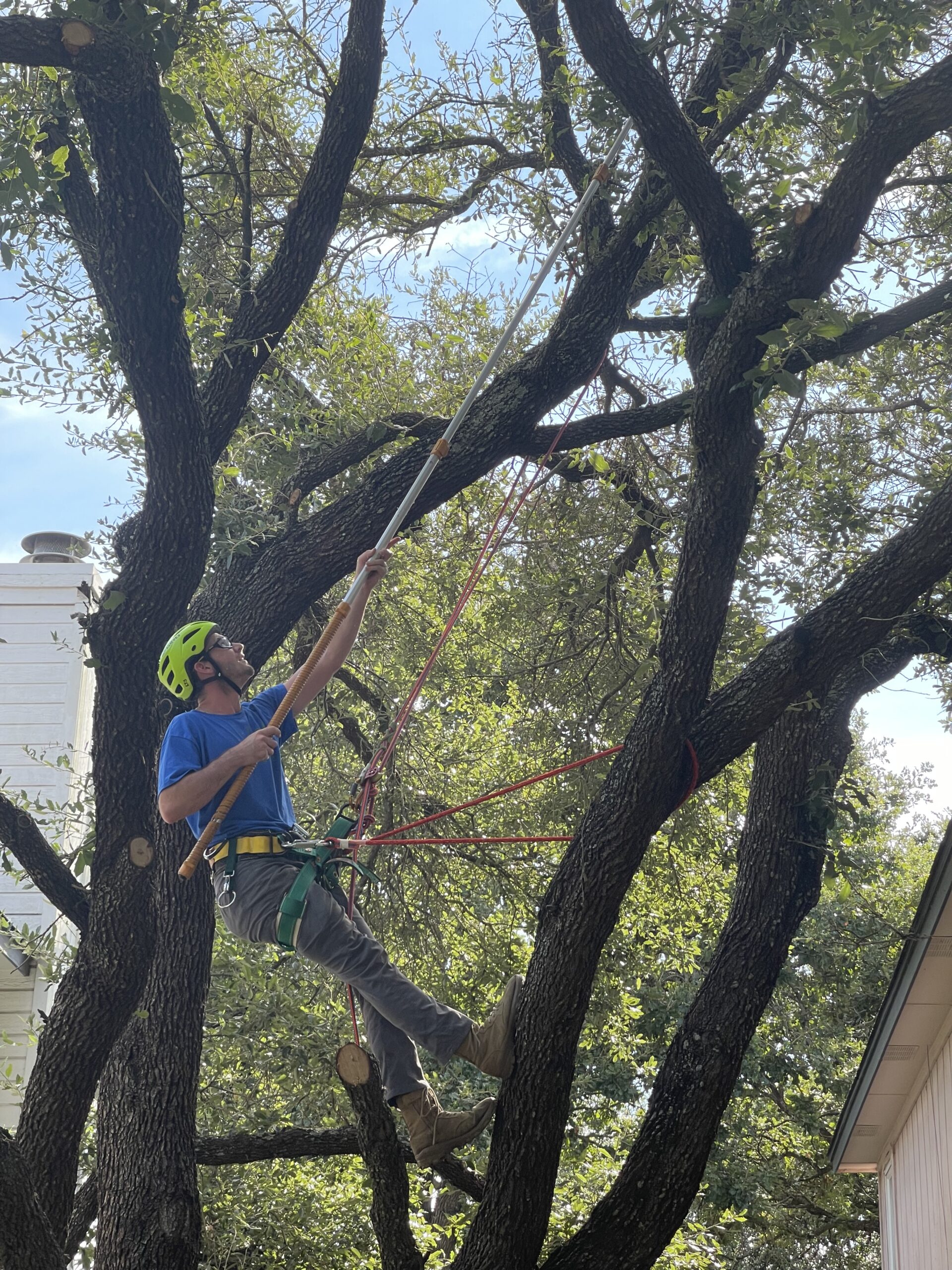
Tree Maintenance and Shaping Techniques in Round Rock & Austin TX
“This is exactly why I will be using Leaf Tree in the future for professional pruning and upkeep…Jeff is not only extremely knowledgeable, but passionate about tree health and wellness. I highly recommendation using Leaf Tree for all your tree needs!”
– Tim (Google Review)

Jeff Hempel
TX-4962A
ISA TRAQ
Over 90 5-Star Reviews On Google!
tree-maintenance
austin, austin-tx, round-rock, round-rock-tx, tree-maintenance
Tree maintenance experts can help beautify your property
Tree maintenance in Round Rock and Austin TX can help make your home more appealing. Tree shaping, also known as arboriculture art or arborsculpture, is the practice of training living trees and woody plants into artistic forms and functional structures. This unique combination of horticulture, art, and design offers numerous environmental, aesthetic, and practical benefits. This article delves into the world of tree shaping, exploring its history, benefits, and various techniques used by practitioners.
The History of Tree Shaping
Tree shaping is not a modern invention. Its roots can be traced back centuries, with evidence of tree manipulation found in various cultures. Ancient Egyptians, for example, were known to shape sycamore fig trees into specific forms for religious and ceremonial purposes. In the 20th century, tree shaping gained more formal recognition with the work of artists like Axel Erlandson, who created intricate tree sculptures that captured the public imagination.
Benefits of Tree Shaping
1. Environmental Benefits
Tree shaping has significant environmental advantages. Shaped trees can contribute to biodiversity by providing unique habitats for various species. Additionally, these trees can act as natural air purifiers, absorbing pollutants and carbon dioxide while releasing oxygen. Integrating tree shaping into urban planning can help mitigate the heat island effect by providing shade and cooling the air.
2. Aesthetic Appeal
One of the most apparent benefits of tree shaping is its visual impact. Shaped trees can transform landscapes, creating living works of art that enhance the beauty of gardens, parks, and public spaces. These artistic forms can serve as focal points in landscape design, adding a sense of wonder and creativity.
3. Practical Applications
Beyond aesthetics, tree shaping has practical uses. Shaped trees can form functional structures such as chairs, tables, arbors, and even bridges. This approach to sustainable design reduces the need for harvested wood, contributing to conservation efforts. Moreover, living furniture and structures can be integrated seamlessly into natural surroundings, providing long-lasting and eco-friendly alternatives to conventional construction.
4. Psychological and Social Benefits
Interacting with shaped trees can have therapeutic effects, promoting relaxation and reducing stress. Public spaces adorned with these living sculptures can foster community engagement, encouraging people to spend more time outdoors and connect with nature.
Techniques of Tree Shaping
Tree shaping involves various techniques, each requiring patience, creativity, and an understanding of tree biology. Here are some of the most common methods:
Grafting
Grafting is a fundamental technique in tree shaping, where two plant parts are joined together to grow as one. This method is often used to create intricate designs by connecting branches in specific patterns. There are several types of grafting, including cleft grafting, whip grafting, and approach grafting, each suited for different purposes and tree species.
Pruning and Training
Pruning involves selectively removing parts of a tree, such as branches, buds, or roots, to direct its growth. Training is the process of guiding this growth into desired shapes using supports like stakes, wires, and frames. These techniques require regular maintenance to ensure the tree develops correctly and remains healthy.
Bend and Tie
Bending and tying branches is another method used to shape trees. This involves gently bending branches into desired positions and securing them with ties or braces. Over time, the branches will grow in these new directions. It's crucial to adjust ties periodically to prevent damage to the tree as it grows.
Epiphytes and Vines
Incorporating epiphytes and vines into tree shaping can add complexity and texture to designs. Epiphytes, which grow on other plants, can be used to adorn shaped trees with additional foliage and flowers, enhancing their visual appeal. Vines can be trained alongside trees, creating intertwined structures that add to the overall aesthetic.
Coppicing and Pollarding
Coppicing and pollarding are traditional techniques used to control tree growth and encourage the development of multiple stems. Coppicing involves cutting a tree back to its base to promote new growth, while pollarding involves cutting back the upper branches. These methods can be used to create dense, bushy growth that can be shaped into various forms.
Tree Shaping Tools
Various tools are employed in tree shaping to assist with pruning, grafting, and training. These include pruning shears, saws, grafting knives, and tying materials. Specialized tools like tree jacks and clamps can also be used to manipulate branches into specific positions.
Getting Started with Tree Shaping
Embarking on a tree-shaping project requires careful planning, patience, and an understanding of the chosen tree species. Here’s a step-by-step guide to help you get started:
1. Selecting the Right Tree Species
Not all tree species are suitable for shaping. Some of the best candidates include willow, sycamore, beech, oak, and ash due to their flexible branches and robust growth. When selecting a tree, consider its growth rate, adaptability to pruning, and overall health.
2. Planning Your Design
Before you begin shaping, it's essential to have a clear design in mind. Sketch your ideas, considering the tree's natural growth patterns and how they can be manipulated. Start with simple shapes and gradually progress to more complex designs as you gain experience.
3. Preparing the Site
Choose a location that provides adequate sunlight, water, and soil conditions suitable for your tree species. Ensure there is enough space for the tree to grow and develop into the desired shape.
4. Planting and Initial Training
Plant your tree in the prepared site and begin training it from a young age. Use stakes, wires, and frames to guide the branches into the initial positions. Regularly monitor the tree's growth and adjust the supports as needed to encourage the desired form.
5. Pruning and Grafting
As the tree grows, employ pruning and grafting techniques to refine its shape. Regularly remove any unwanted growth and ensure that grafts are taken successfully. This stage requires ongoing maintenance and adjustment to keep the tree on track.
6. Long-Term Care
Tree shaping is a long-term commitment. Continue to prune, train, and care for the tree as it matures. Regularly inspect the tree for signs of stress or disease and address any issues promptly to ensure its health and longevity.
Tree shaping is a fascinating blend of art, science, and nature. It offers numerous benefits, from enhancing environmental sustainability to creating stunning visual landscapes and practical structures. Whether you're a seasoned gardener or a curious beginner, tree shaping provides a rewarding and enriching experience. By understanding the techniques and embracing the patience required, you can contribute to this unique and beautiful form of living art.
Hire the best tree maintenance experts in Round Rock and Austin TX
Leaf Tree Services is your locally owned professional tree service with certified arborists for residential and commercial customers in Round Rock, Austin, and surrounding Central Texas areas. You can trust your trees to us. Contact us today to schedule a consultation, at 512-670-6766.
What Our Clients Are Saying
“Jeff, a certified arborist with extra training and lots of experience in the area, fit me into his schedule and showed up promptly, on very short notice. We did a walk-through of the property, advising on what trimming was most beneficial and helping me understand things to look for as potential problems with tree health. We picked a few trees that merited attention and a proposal for trimming followed. When the crew came out, at the expected time, we confirmed the work to be done before they started. Trimming was well done, quickly, per my requests. Tree canopies look noticeably better, appreciate their attention to balancing their cuts.”
– Mark
“I had a tree health consult with Jeff and it was incredibly informative and comprehensive. He told us all about our main oak that we want to keep healthy and suggested what would help keep the tree healthy and safe. He was not at all pushy on selling future service, but answered every question we had and did not rush through anything. This is exactly why I will be using Leaf Tree in the future for professional pruning and upkeep. It is entirely evident that Jeff is not only extremely knowledgeable, but passionate about tree health and wellness. I highly recommendation using Leaf Tree for all your tree needs!”
– Tim
“Jeff with Leaf Tree Service responded very quickly to our need. We were under a time frame imposed on us by the city. Jeff's crew was able to fit us in and prevented us from being fined. They took the extra steps to ensure the trees would not sprout up & ground the stumps to ensure mowers could keep area maintained. The city inspector wrote an email praising the quality of the job. The care in which jeff's crew took while clearing this brush was amazing & the remaining trees in this area look fantastic. Highly recommend Leaf Tree Service. In fact I am using them each quarter to maintain the other trees on our property. Quality work at a fair price, which is hard to find these days.”
– Rick
Where We're Located
1510 Sam Bass Rd,
Round Rock, TX 78681
(512) 670-6766
info@leaftreeservicesatx.com