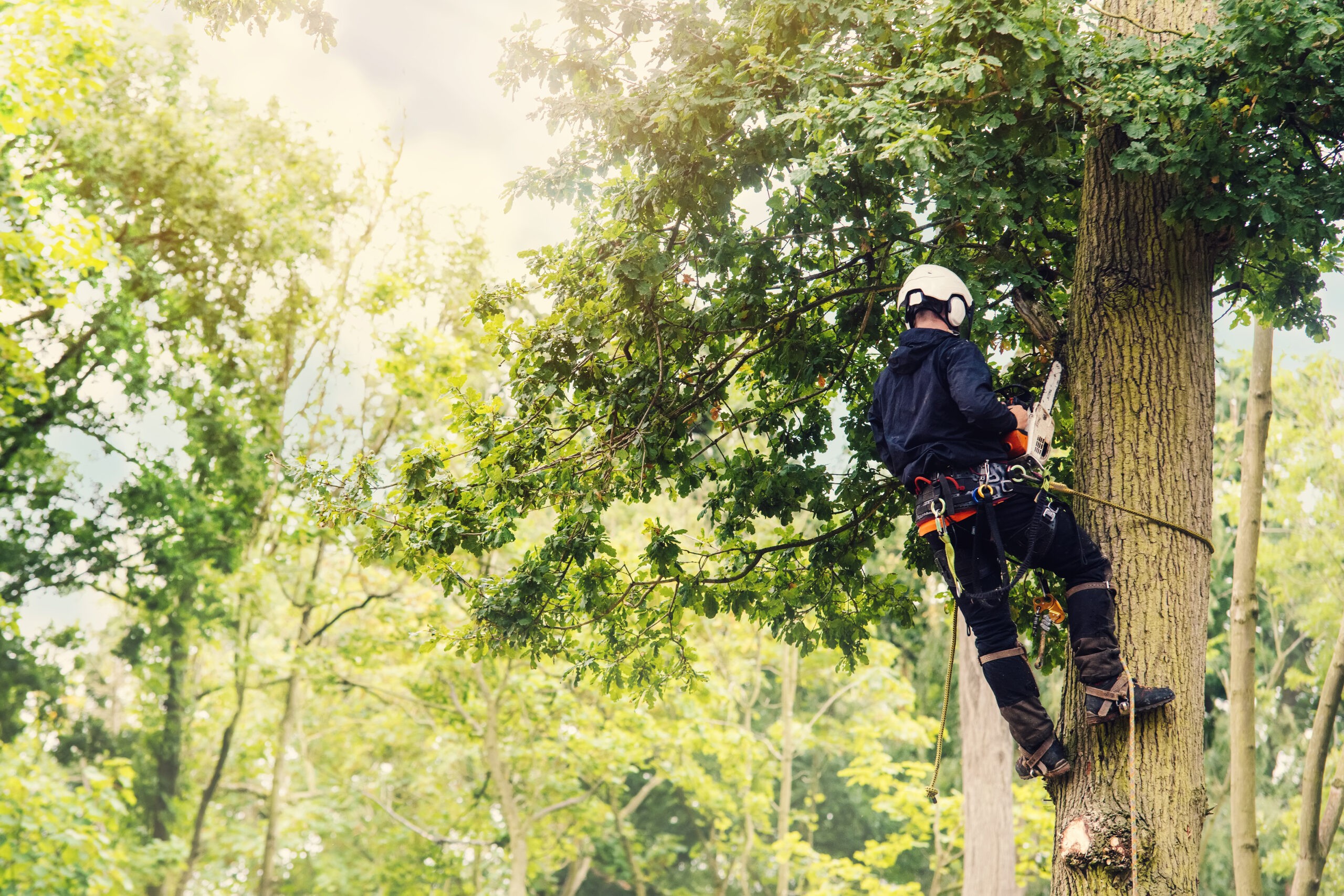
Tree Services in Round Rock and Austin TX: Essential Tree Felling Steps
“This is exactly why I will be using Leaf Tree in the future for professional pruning and upkeep…Jeff is not only extremely knowledgeable, but passionate about tree health and wellness. I highly recommendation using Leaf Tree for all your tree needs!”
– Tim (Google Review)

Jeff Hempel
TX-4962A
ISA TRAQ
Over 90 5-Star Reviews On Google!
tree-services
austin, austin-tx, round-rock, tree-services
Tree services expert can help you fell trees safely
Tree services in Round Rock and Austin TX can help you fell trees in your property. Tree felling, the process of cutting down trees, is a task that requires careful planning and execution to ensure safety and efficiency. Whether you're a professional arborist or a homeowner tackling a DIY project, understanding the key steps to successful tree felling is essential. In this article, we'll explore the crucial preparatory steps you should take before felling a tree.
Assess the Tree and Surroundings
Before embarking on any tree felling project, it's crucial to assess the tree and its surroundings. Evaluate the tree's height, diameter, lean, and overall health. Identify any potential hazards such as nearby structures, power lines, or uneven terrain that could affect the felling process.
Determine the Direction of Fall
Once you've assessed the tree and its surroundings, determine the direction in which the tree should fall. Ideally, you want the tree to fall in an open area away from obstacles to minimize damage and ensure safety. Take into account the tree's natural lean and any prevailing wind conditions that may influence its fall.
Plan an Escape Route
Safety should always be a top priority when felling a tree. Before making any cuts, establish a clear escape route that allows you to retreat safely in case the tree doesn't fall as expected. Your escape route should be at a 45-degree angle away from the direction of fall and free from obstacles.
Gather the Necessary Tools and Equipment
Proper tools and equipment are essential for safely felling a tree. Depending on the size of the tree and the complexity of the job, you may need chainsaws, axes, wedges, ropes, and personal protective gear such as helmets, gloves, and eye protection. Ensure that all tools are in good working condition before starting the project.
Obtain any Necessary Permits or Permissions
In some areas, tree felling may require permits or permissions from local authorities or property owners. Before proceeding with the felling, check with the relevant authorities to ensure compliance with regulations and obtain any necessary permits or permissions. Failure to do so could result in fines or legal consequences.
Communicate and Coordinate with Others
If you're working as part of a team, clear communication and coordination are essential for a successful tree felling operation. Assign roles and responsibilities, establish signals or verbal cues for communication, and ensure that everyone involved understands the plan and safety procedures.
Prepare the Work Area
Before making any cuts, prepare the work area by clearing away debris, vegetation, and other obstacles that could interfere with the felling process. Create a safe and organized workspace that allows for easy access to the tree and maneuverability during the operation.
Review Emergency Procedures
Despite careful planning and preparation, tree felling can sometimes be unpredictable. Before starting the job, review emergency procedures with everyone involved, including how to respond to unexpected events such as a tree falling in the wrong direction or equipment malfunction. Having a plan in place can help mitigate risks and ensure a swift and effective response to emergencies.
Executing the Tree Felling Process
Now that you've completed the preparatory steps and are ready to begin the tree felling process, it's time to focus on executing the job safely and efficiently. In this section, we'll outline the key steps involved in cutting down a tree and bringing it to the ground.
Make the Initial Cut
Begin by making an initial cut, also known as the undercut or notch, on the side of the tree facing the direction of fall. The notch should be at a 70 to 80-degree angle and extend approximately one-third of the tree's diameter. This cut helps guide the direction of fall and prevents the tree from splitting or kicking back during the felling process.
Create the Back Cut
Once the notch is in place, move to the opposite side of the tree and make a horizontal back cut slightly above the level of the undercut. The back cut should be parallel to the ground and meet the notch, leaving a small section of uncut wood, known as the hinge, to control the tree's fall. The size of the hinge will depend on the size and lean of the tree.
Safely Fell the Tree
With the back cut completed, carefully monitor the tree's movement as it begins to fall. As soon as you see the tree start to lean in the desired direction, retreat along your predetermined escape route to a safe distance. Avoid standing directly behind the tree or in the path of its fall to reduce the risk of injury.
Clear the Area and Assess the Fallen Tree
Once the tree has fallen, carefully approach the felling site and assess the fallen tree for any signs of damage or hazards. Clear away any debris or obstacles to create a safe working environment for further processing or removal of the tree. Exercise caution when handling fallen trees, as they can be unstable and prone to shifting.
Dispose of the Tree Responsibly
Depending on the size and condition of the tree, you may need to decide how to dispose of the wood and debris responsibly. Consider options such as chopping the wood for firewood, chipping branches for mulch, or hiring a professional tree removal service to haul away the debris. Avoid leaving tree remnants scattered around the property, as they can pose safety hazards and attract pests.
Perform Necessary Maintenance and Cleanup
After the tree has been felled and removed, take the time to perform any necessary maintenance or cleanup tasks to restore the area to its original condition. This may include filling in holes left by the tree's roots, repairing any damage to the surrounding landscape, or replanting new vegetation to restore biodiversity and ecosystem health.
Reflect on the Experience
Finally, take a moment to reflect on the tree felling experience and identify any lessons learned or areas for improvement. Whether you're a seasoned professional or a first-time tree feller, there's always room for growth and refinement in your skills and techniques. Use each project as an opportunity to learn and enhance your abilities for future endeavors.
By following these key steps to successful tree felling, you can ensure a safe, efficient, and satisfying outcome. Remember to prioritize safety at every stage of the process and never hesitate to seek guidance or assistance from experienced professionals if needed. With proper planning, preparation, and execution, you can tackle tree felling projects with confidence and skill.
Top tree services in Round Rock and Austin TX
Leaf Tree Services is your locally owned professional tree service with certified arborists for residential and commercial customers in Round Rock, Austin, and surrounding Central Texas areas. You can trust your trees to us. Contact us today to schedule a consultation, 512-670-6766.
What Our Clients Are Saying
“Jeff, a certified arborist with extra training and lots of experience in the area, fit me into his schedule and showed up promptly, on very short notice. We did a walk-through of the property, advising on what trimming was most beneficial and helping me understand things to look for as potential problems with tree health. We picked a few trees that merited attention and a proposal for trimming followed. When the crew came out, at the expected time, we confirmed the work to be done before they started. Trimming was well done, quickly, per my requests. Tree canopies look noticeably better, appreciate their attention to balancing their cuts.”
– Mark
“I had a tree health consult with Jeff and it was incredibly informative and comprehensive. He told us all about our main oak that we want to keep healthy and suggested what would help keep the tree healthy and safe. He was not at all pushy on selling future service, but answered every question we had and did not rush through anything. This is exactly why I will be using Leaf Tree in the future for professional pruning and upkeep. It is entirely evident that Jeff is not only extremely knowledgeable, but passionate about tree health and wellness. I highly recommendation using Leaf Tree for all your tree needs!”
– Tim
“Jeff with Leaf Tree Service responded very quickly to our need. We were under a time frame imposed on us by the city. Jeff's crew was able to fit us in and prevented us from being fined. They took the extra steps to ensure the trees would not sprout up & ground the stumps to ensure mowers could keep area maintained. The city inspector wrote an email praising the quality of the job. The care in which jeff's crew took while clearing this brush was amazing & the remaining trees in this area look fantastic. Highly recommend Leaf Tree Service. In fact I am using them each quarter to maintain the other trees on our property. Quality work at a fair price, which is hard to find these days.”
– Rick
Where We're Located
1510 Sam Bass Rd,
Round Rock, TX 78681
(512) 670-6766
info@leaftreeservicesatx.com